
The term dry granulation is self-explanatory. The dry granulation process is a method for forming granules without the use of any liquid. However, there is much more than that.
In this blog, we will explain dry granulation in depth, including the methodology, pharmaceutical equipment, and application.
What is granulation?
Granulation is the process of enlarging particles with the help of an agglomeration technique that takes place in the pharmaceutical industry. In the pharmaceutical industry, the granulation process involves techniques that combine powdered particles of medicines or drugs to form larger granules using granulation machines, which can then be used to produce medicine.
Why is granulation essential in pharma?
The granulation process is employed when the raw material powder or blend exhibits different behavioural properties that often hinder the manufacturing process
There are a lot of primary parameters that influence the granulation process – flow characteristics, density, and particle size. Accordingly, there are two types of granulation processes: the wet granulation process and the dry granulation process. The choice of your granulation equipment will vary according to the kind of process.
What is dry granulation?
The dry granulation is the process of forming particles or granules from a dry powder or powder blend without the involvement of any liquid or any other aid in the process. It plays a crucial role in the preparation of powdered materials that can be used for further processing.
The dry granulation process is helpful in:
- Life science
- Chemical
- Pharmaceutical
Dry granulation process:

Dry granulation produces granules with the desired density, particle size, and porosity through two main processes:
- Powder compaction: The powder blend is compressed using a roller compactor (two counter-rotating rollers compress it into a continuous sheet or ribbons) or a slugging press (dense slugs are formed using a tablet press).
- Milling: The compacts are milled into granules of uniform particle size.
Since no liquid binders are added, a subsequent drying step is not required. This reduces the number of machines in the granulation line machinery.
Advantages of the dry granulation process:
- Smaller space: The dry granulation equipment requires a smaller space. In a processing facility, an abundance of floor space is a valuable asset. In comparison to the wet granulation machine, the dry granulation equipment takes up much less space.
- Versatile operational process: Unlike the wet granulation process, the dry granulation process can accommodate both batch and continuous operations. This leads to a much more flexible and efficient method for uptake in both small-scale and large-scale productions of granules.
- More cost-effective: The dry granulation process is a relatively inexpensive method of processing powders and blends. It does not require any liquid binding agents, which adds to saving costs and eliminates the need for separate moisture addition and material drying steps. This helps in saving a lot of the expenses in terms of pharmaceutical equipment, materials, labour and energy. However, it is essential to invest in a quality granulator machine.
Common Applications of the Dry Granulation Process
Some key applications include:
- Moisture-sensitive drugs API
- Heat-sensitive API
- High API concentration
- Controlled release
For quality and efficient granulation, it is essential to choose the granulation equipment manufacturer and supplier wisely.
Conclusion:
Dry granulation is a preferred method in the pharmaceutical industry when heat and moisture-sensitive formulations need robust granules. Remember that for a quality process, it is essential to choose a trusted pharma machinery manufacturer and supplier.
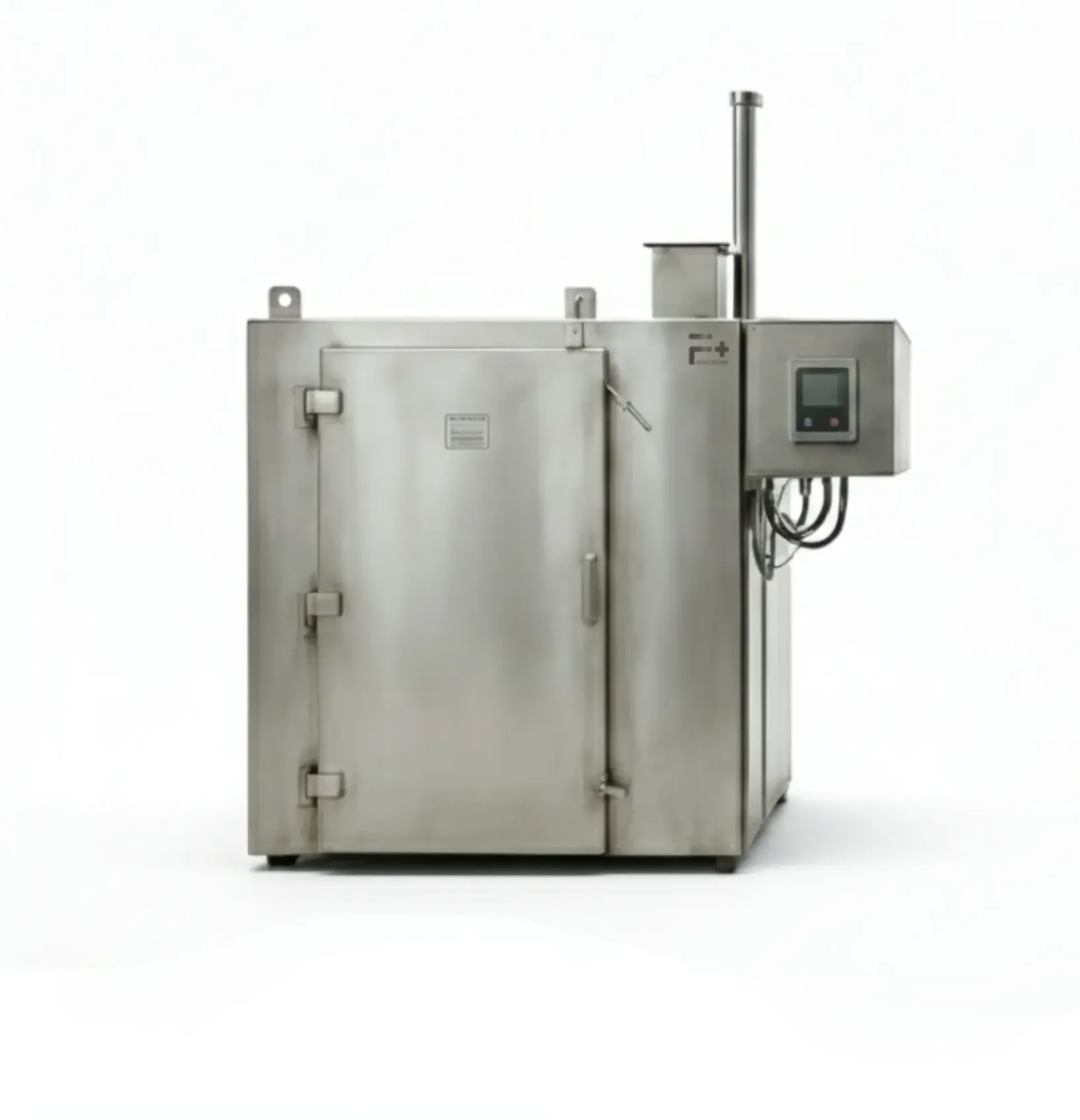
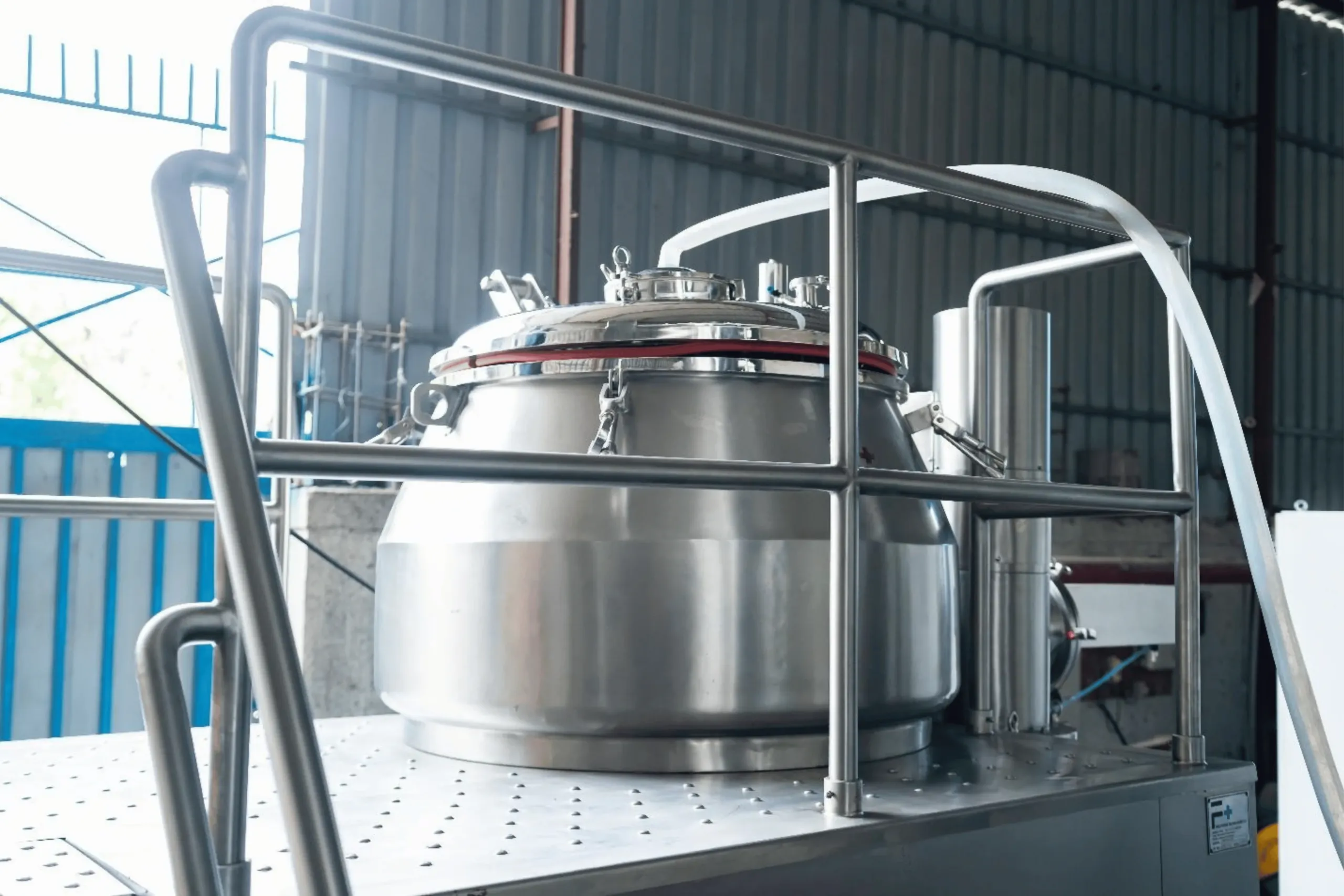
F Plus, a pharma equipment manufacturer based in India, offers different types of granulator machines for pharmaceuticals. To support the evolving needs of the pharma industry, we offer customized end-to-end pharmaceutical equipment.